Small kitchen in your personal home is look beautiful
15 Small Kitchen Remodeling Ideas That Maximize Space and Style
Remodeling a small kitchen can feel overwhelming, but it doesn’t have to be limiting. In 2026, homeowners are learning that a smaller kitchen can be just as functional, stylish, and comfortable as a large one when it’s designed the right way. The key is not trying to make the kitchen something it isn’t, but instead designing the space to work smarter, feel more open, and reflect modern living. A successful small kitchen remodel focuses on how the entire space works together, using thoughtful design choices to improve flow, comfort, and visual balance. The ideas below highlight complete small-kitchen design concepts that help maximize space while still delivering strong style and everyday usability.
1. The Smartly Planned Small Kitchen
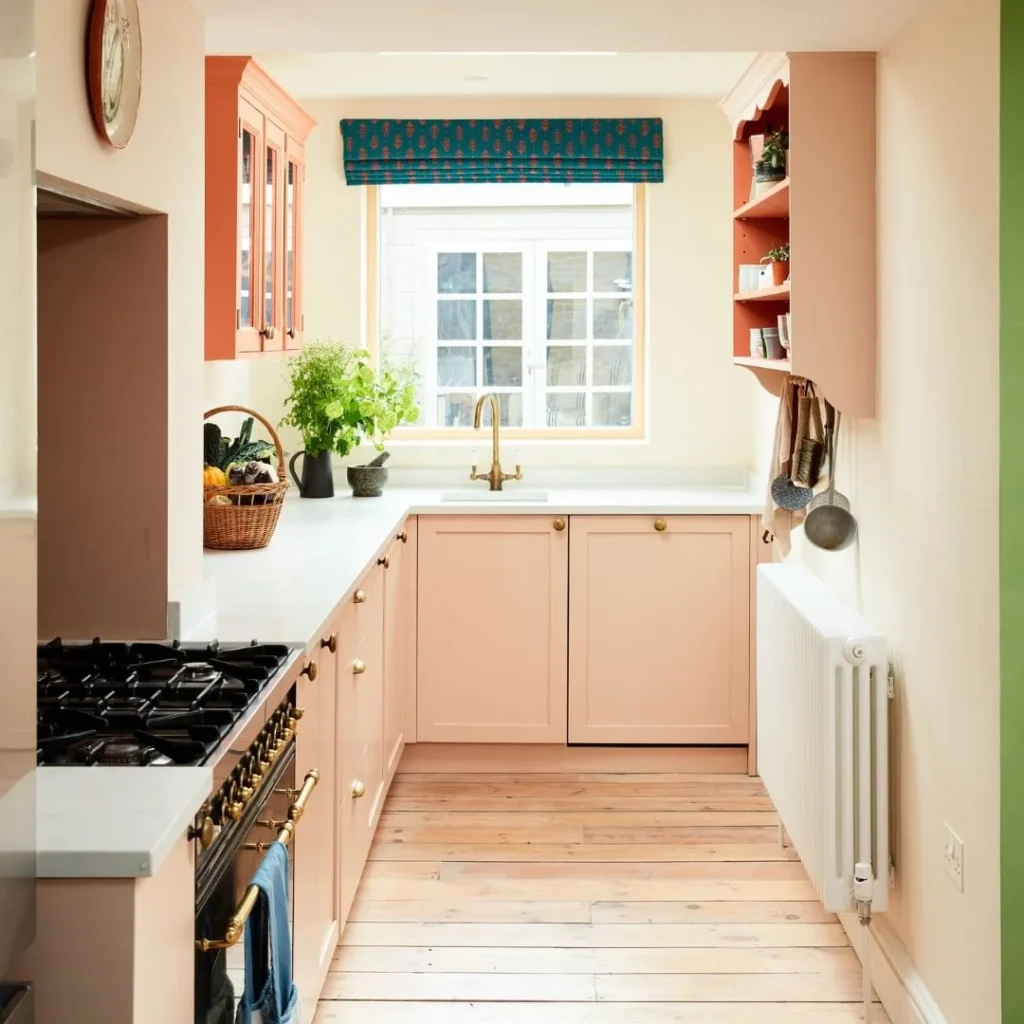
This small kitchen is designed with intention from the start, where every part of the space has a clear purpose. Instead of forcing extra elements into a tight layout, the design focuses on efficiency and clarity. Movement through the kitchen feels natural, and daily tasks don’t require extra steps or awkward turns. Homeowners who choose this approach notice that the kitchen feels larger simply because it works better. The space feels organized, practical, and easy to use, proving that smart planning can make a small kitchen feel far more comfortable than its size suggests.
2. The Light-Focused Small Kitchen
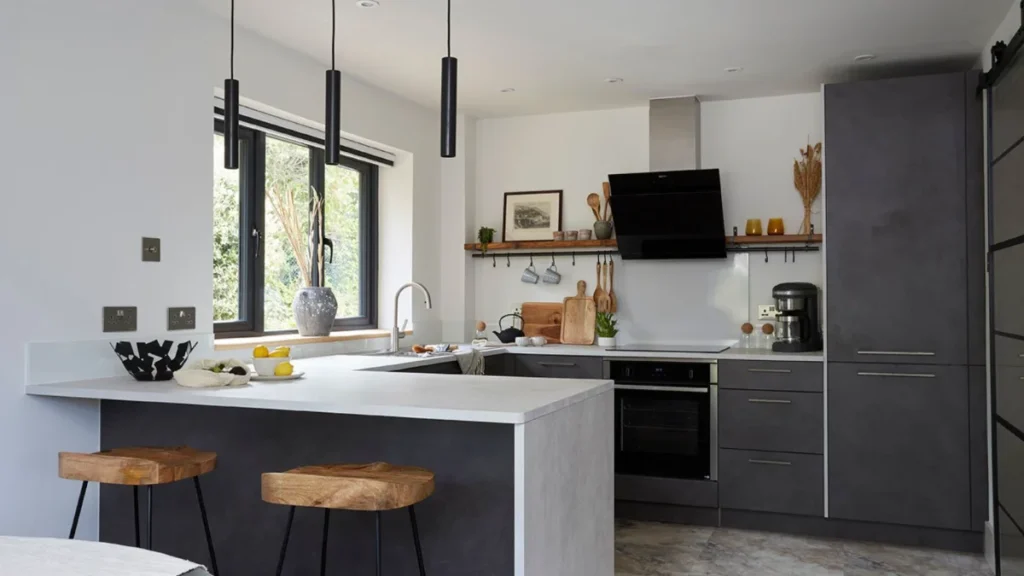
A light-focused small kitchen is designed to feel open and airy even with limited square footage. The overall design prioritizes brightness and visual openness so the space never feels closed in. When a small kitchen feels well-lit and visually open, it becomes more pleasant to spend time in. Homeowners often notice that the kitchen feels bigger and more welcoming throughout the day, making light one of the most powerful tools for maximizing small spaces.
3. The Clean-Flow Small Kitchen
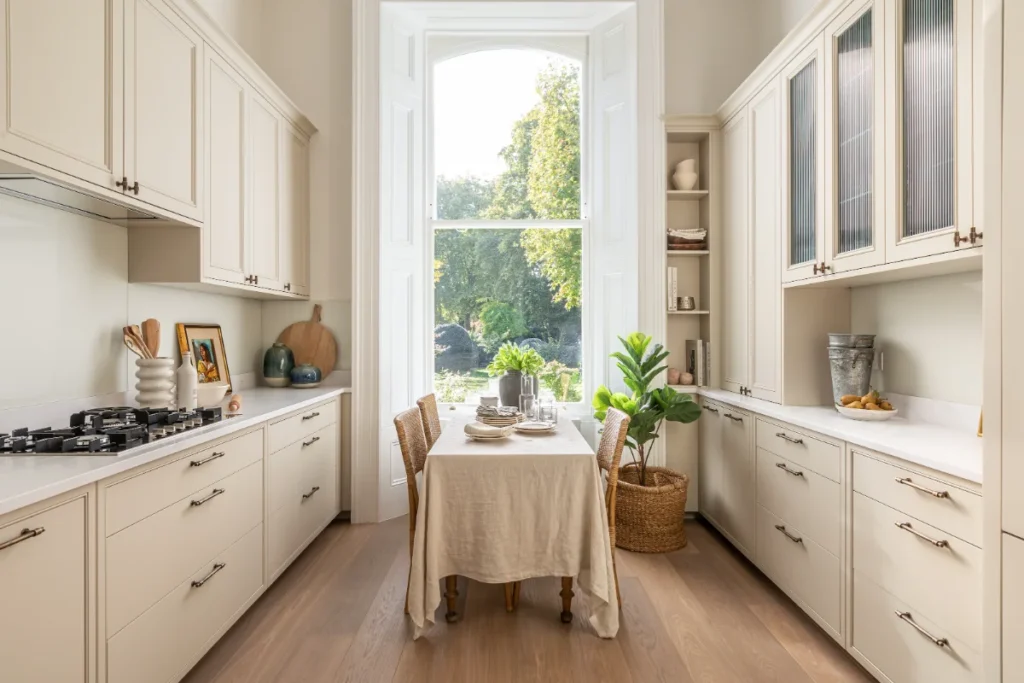
This small kitchen is all about smooth movement and ease of use. The layout avoids congestion and unnecessary obstacles, allowing cooking, cleaning, and prep to happen without interruption. Instead of squeezing in extra elements, the design focuses on keeping the space flowing naturally. Homeowners appreciate how this kitchen feels effortless to use, especially during busy moments. The kitchen doesn’t feel cramped because movement is prioritized over excess.
4. The Visually Open Small Kitchen
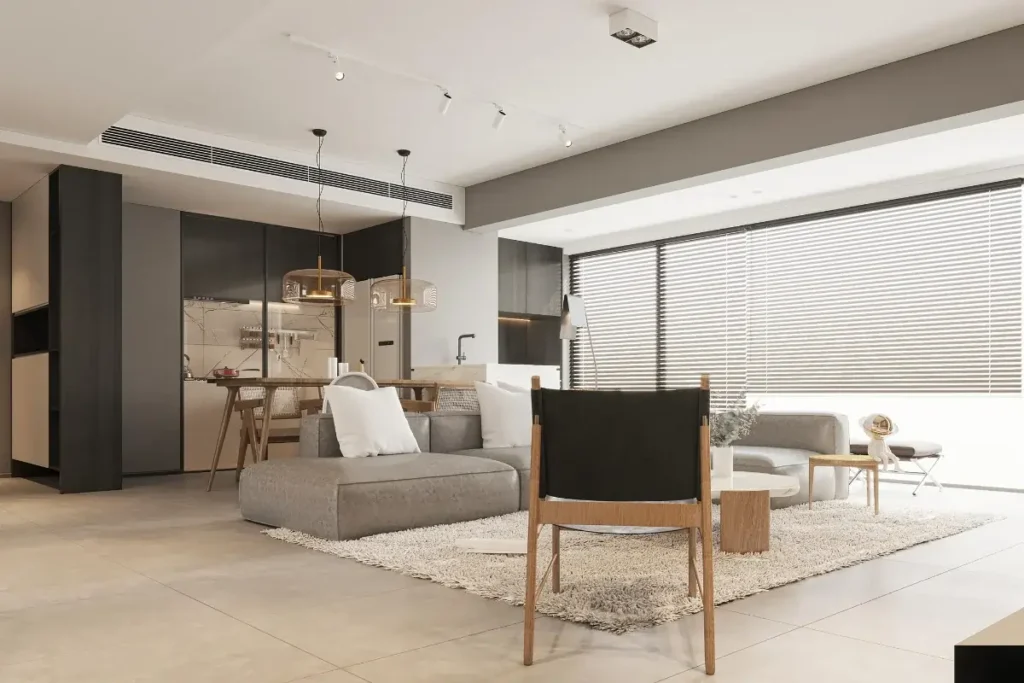
A visually open small kitchen focuses on reducing visual weight so the space feels lighter and more breathable. Even though the kitchen footprint stays the same, the design helps the room feel less crowded. This approach creates a kitchen that feels calm and uncluttered, which makes a big difference in small spaces. Homeowners often find that the kitchen feels more comfortable simply because it doesn’t overwhelm the eye.
5. The Efficient Everyday Small Kitchen
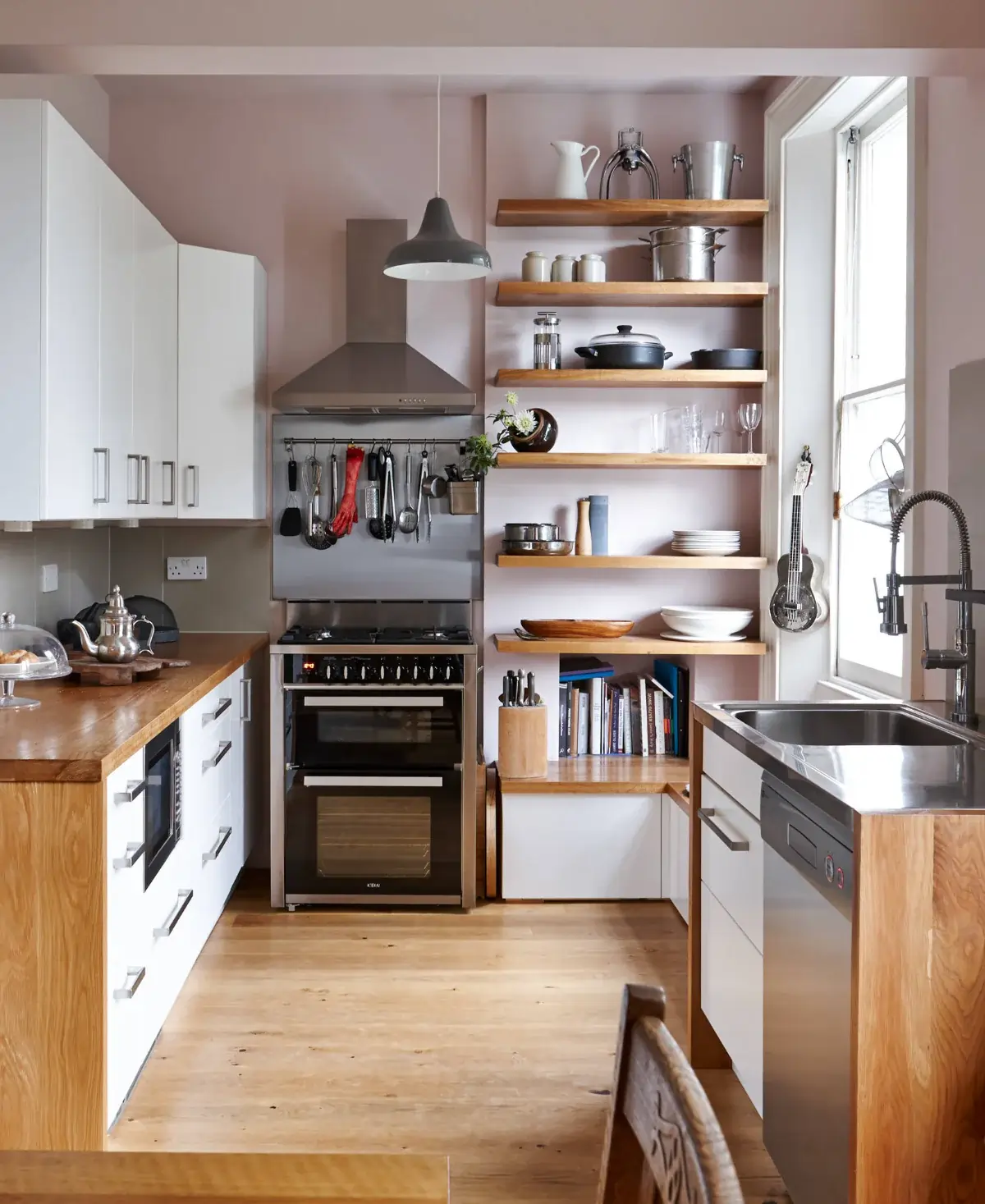
This kitchen is designed around daily routines rather than occasional use. Everything is placed to support regular cooking, cleaning, and movement without friction. Homeowners who choose this style notice that the kitchen works better during real life, not just when it’s perfectly clean. The space feels practical, reliable, and easy to maintain, which is especially important when square footage is limited.
6. The Balanced Small Kitchen
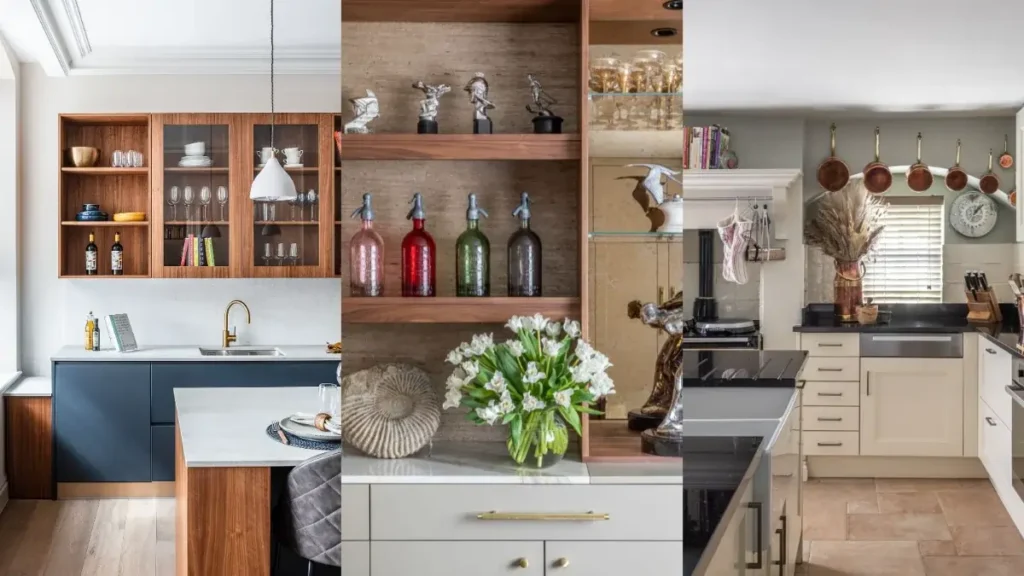
Balance is critical in a small kitchen, and this design focuses on keeping the space visually steady. Nothing feels too heavy or too sparse. The kitchen feels comfortable to stand in and pleasant to look at, even over long periods of time. Homeowners choose this approach because it helps the kitchen feel stable and well-designed rather than crowded or unfinished.
7. The Multi-Purpose Small Kitchen
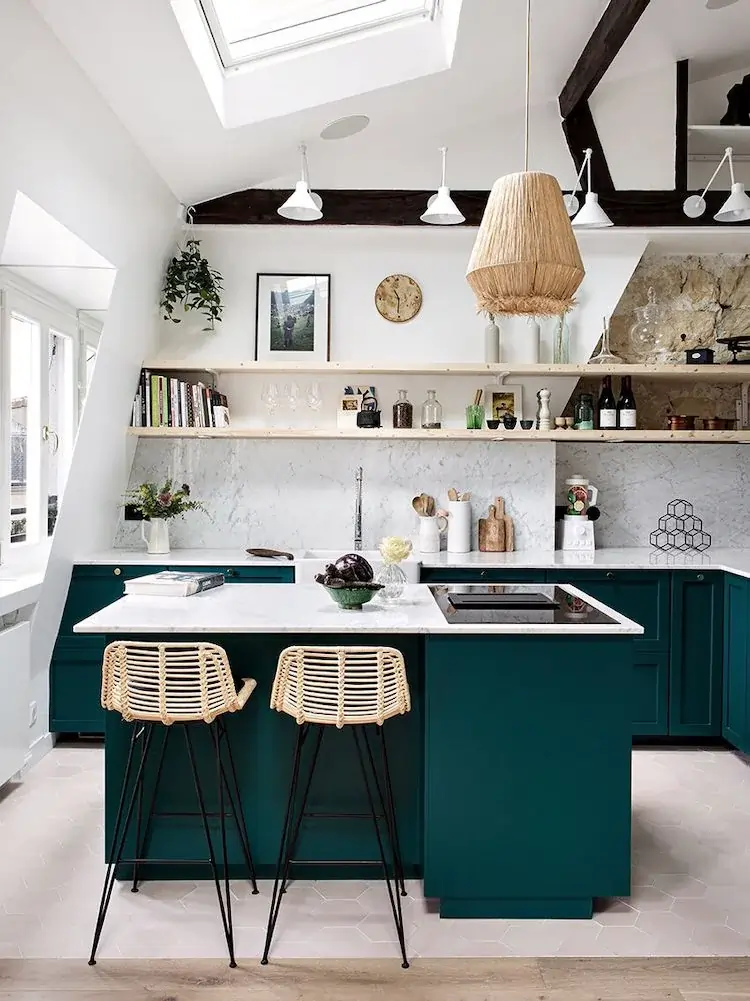
This small kitchen is designed to support more than one role. It handles cooking, prep, light dining, and everyday tasks without feeling overloaded. The space adapts easily to different needs, which makes it ideal for modern living. Homeowners appreciate how this kitchen supports their lifestyle without requiring extra square footage.
8. The Space-Saving Small Kitchen
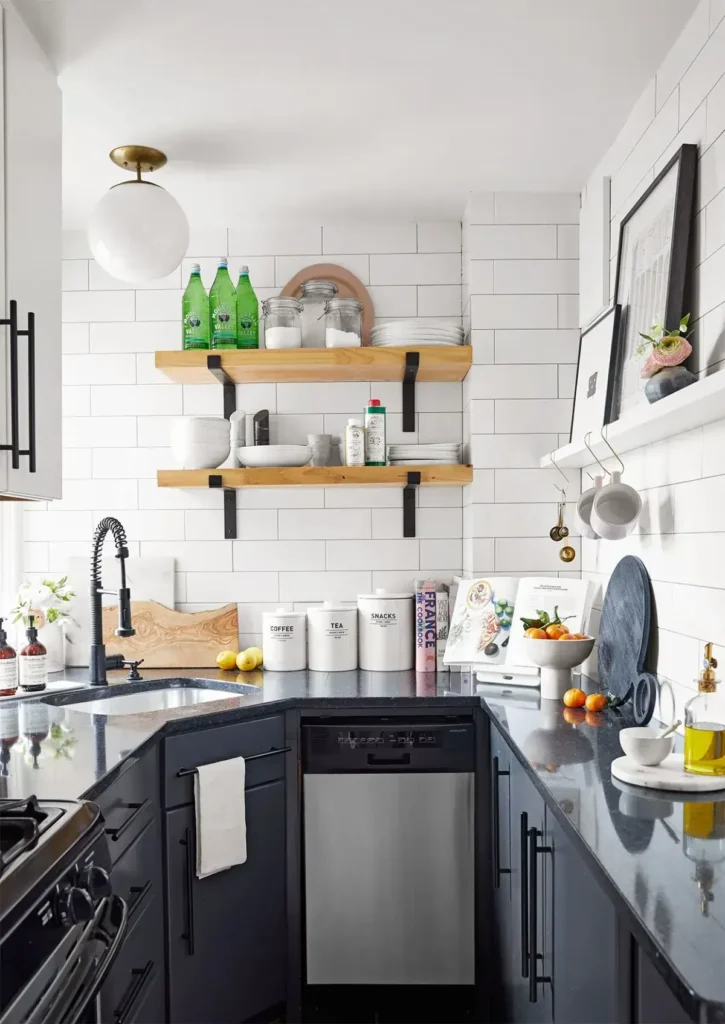
A space-saving small kitchen focuses on making the most of every inch without feeling forced. The design feels intentional rather than squeezed. Homeowners notice that the kitchen feels more open because nothing is wasted or poorly placed. This approach proves that a small kitchen doesn’t need to feel tight when space is used wisely.
9. The Minimal Yet Warm Small Kitchen
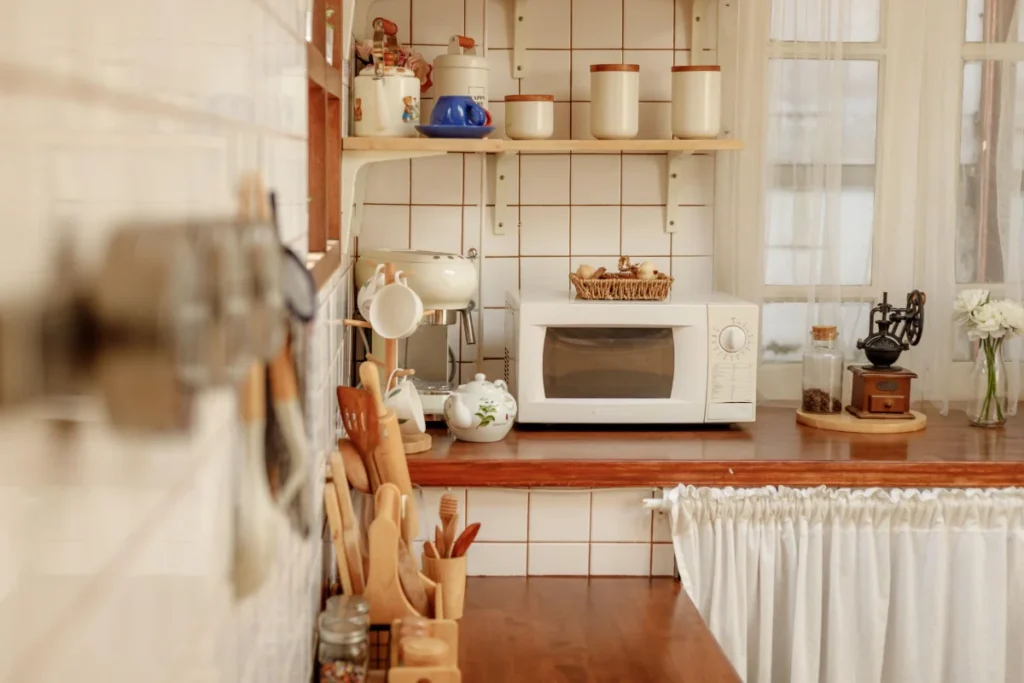
This kitchen balances simplicity with comfort. It avoids clutter while still feeling inviting and lived-in. The space feels calm instead of bare, which is important in a small kitchen where too much visual activity can feel overwhelming. Homeowners enjoy how this kitchen feels peaceful while still being practical for daily use.
10. The Naturally Organized Small Kitchen
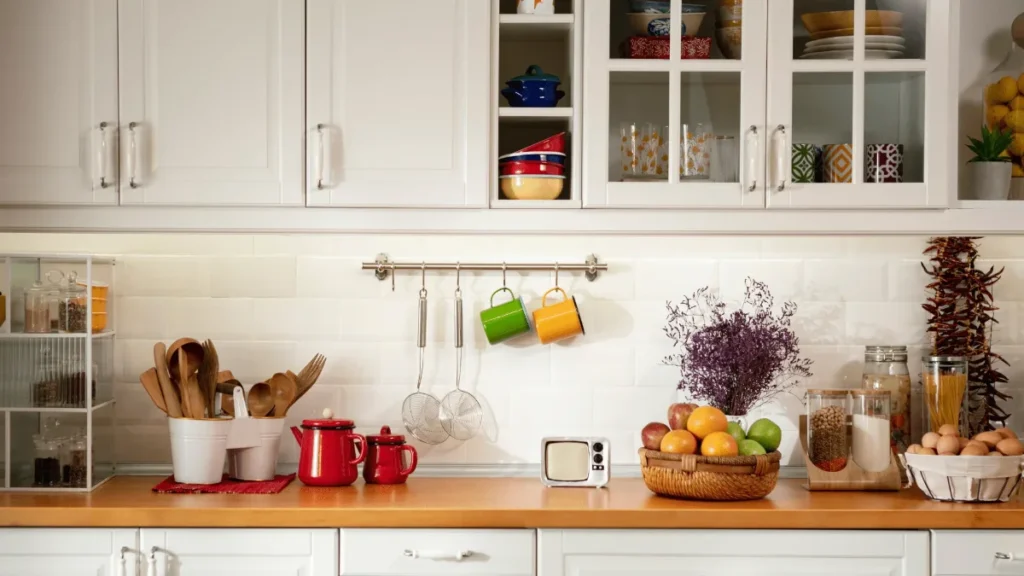
Organization is built into the design of this small kitchen rather than added later. The space naturally encourages order, which helps reduce visual clutter. Homeowners notice that keeping the kitchen tidy feels easier, even during busy weeks. This design makes a small kitchen feel calmer and more manageable over time.
11. The Comfortable Small Kitchen
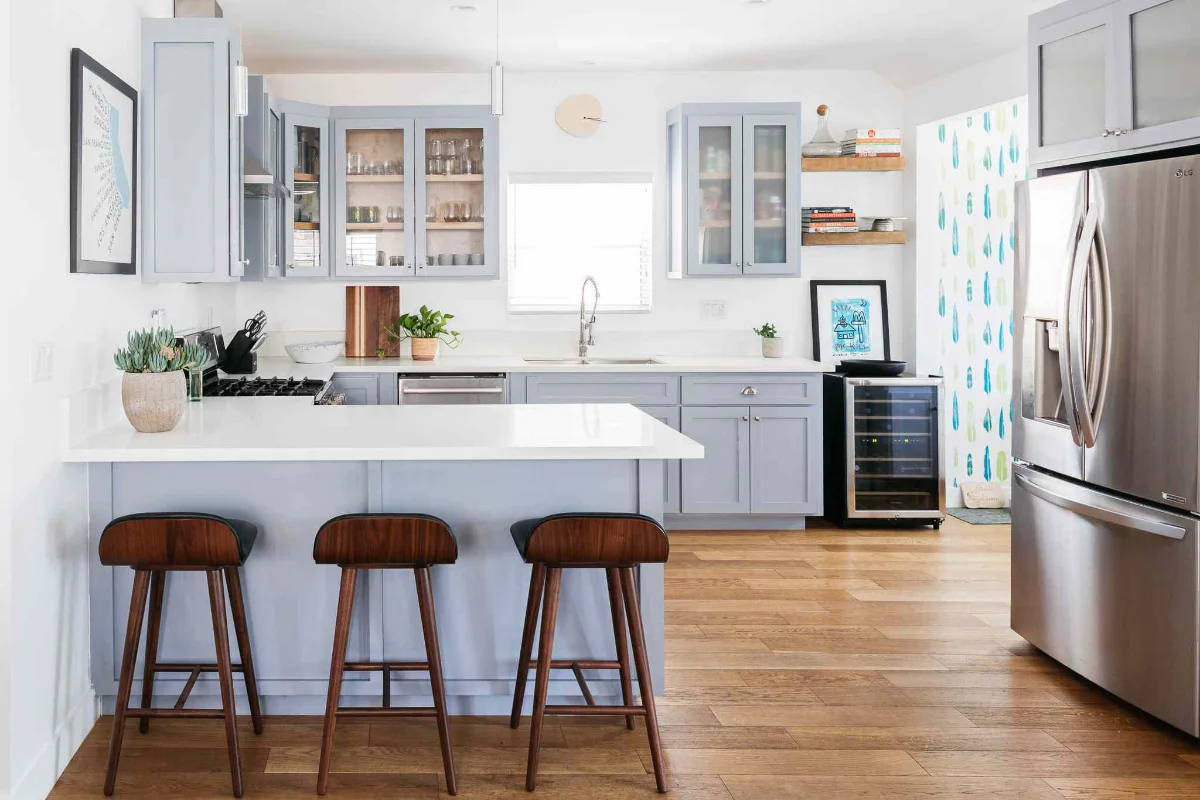
Comfort is often overlooked in small kitchens, but this design puts it first. The kitchen feels pleasant to stand in, move through, and spend time in. Homeowners appreciate how the space supports long cooking sessions without feeling tiring. Comfort becomes a major upgrade when working with limited space.
12. The Modern Practical Small Kitchen
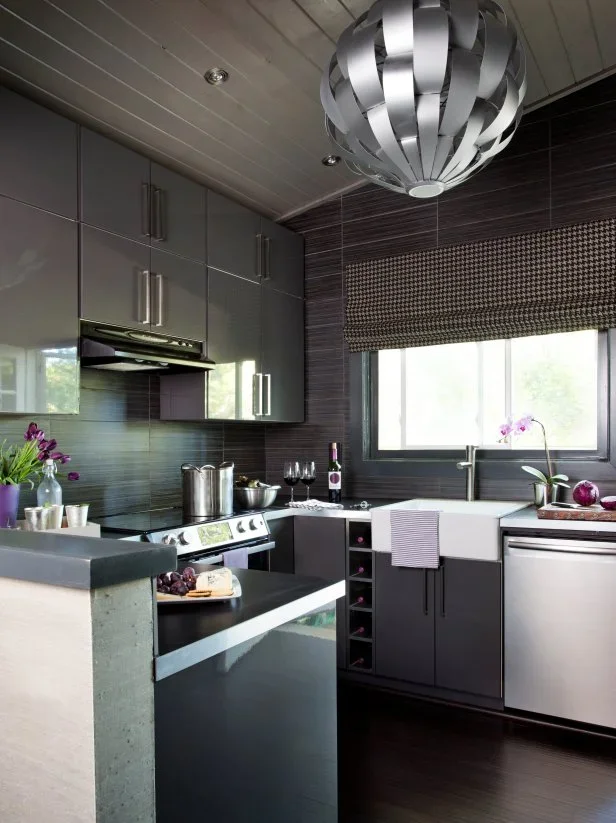
This small kitchen blends modern style with real-world usability. The design feels current without being extreme or impractical. Homeowners choose this approach because it gives the kitchen a fresh, updated feel while still supporting everyday needs. The space feels modern but not demanding
13. The Clutter-Free Small Kitchen
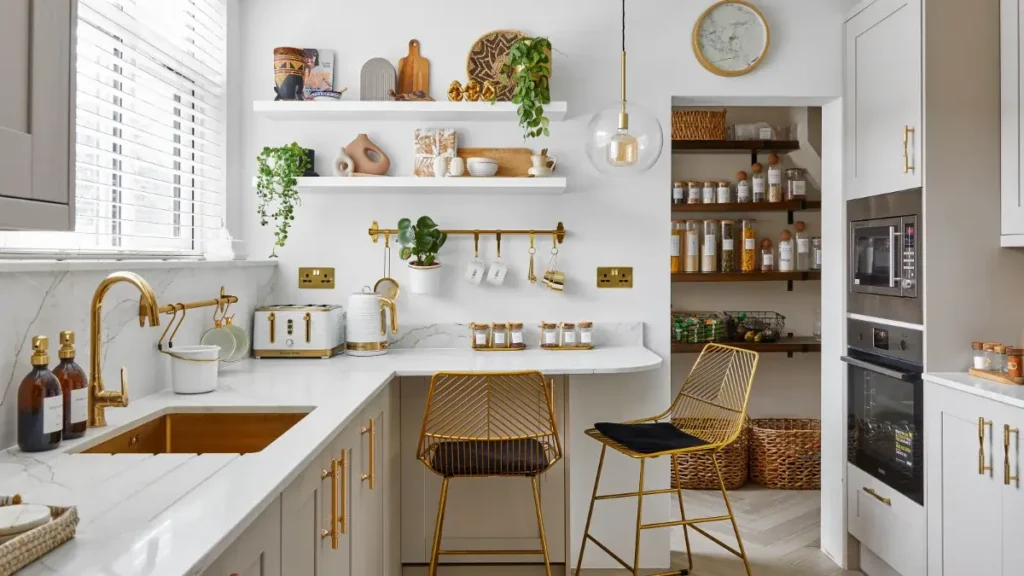
A clutter-free small kitchen focuses on simplicity and control. The space feels easier to maintain because visual noise is kept to a minimum. Homeowners often feel less stressed in this kitchen because everything feels under control. This approach helps a small kitchen feel larger and more enjoyable to use.
14. The Flexible Small Kitchen
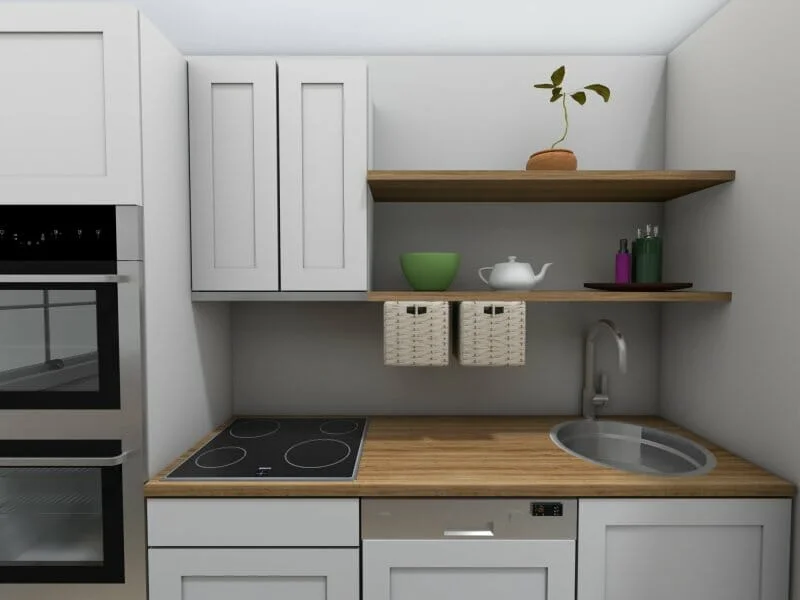
This kitchen is designed to adapt as needs change. The space supports different routines and habits without needing major changes. Homeowners value this flexibility because it allows the kitchen to grow with them instead of limiting them. Even with limited square footage, the kitchen feels adaptable and forward-thinking.
15. The Well-Designed Small Kitchen
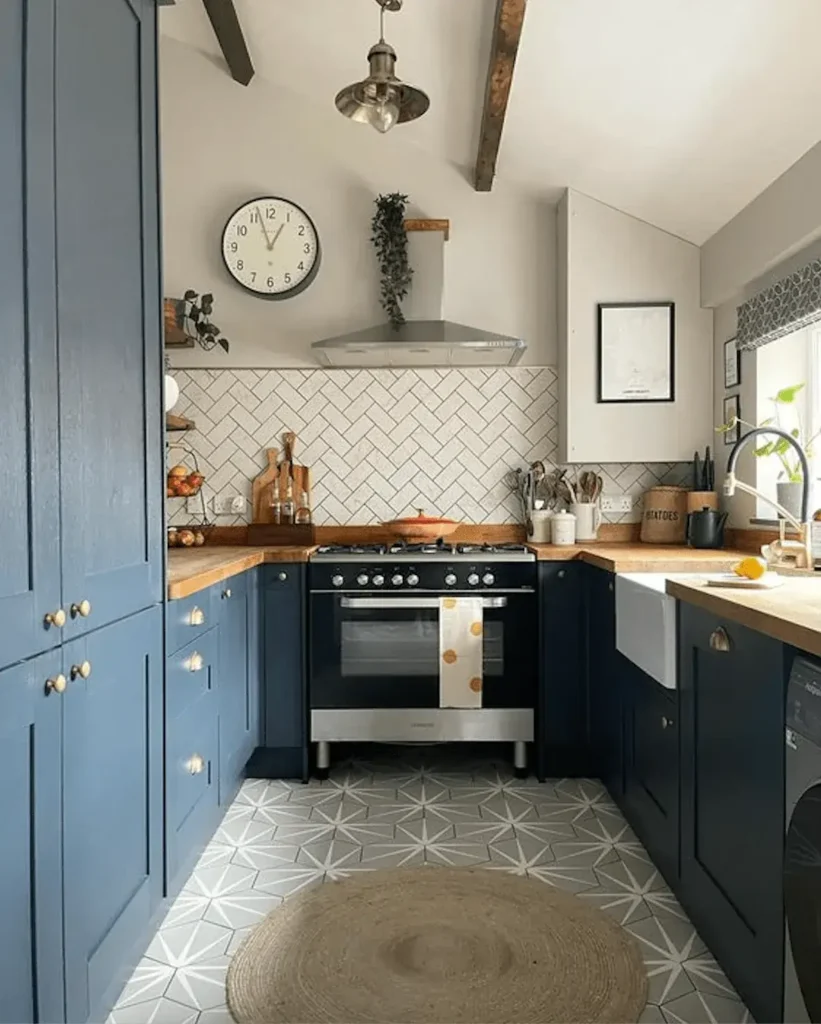
A well-designed small kitchen feels complete and intentional. Nothing feels accidental or out of place. Homeowners immediately notice how the kitchen works better and feels more comfortable than before. This type of remodel doesn’t try to hide the size of the kitchen; instead, it makes the most of it through thoughtful design and smart decisions.